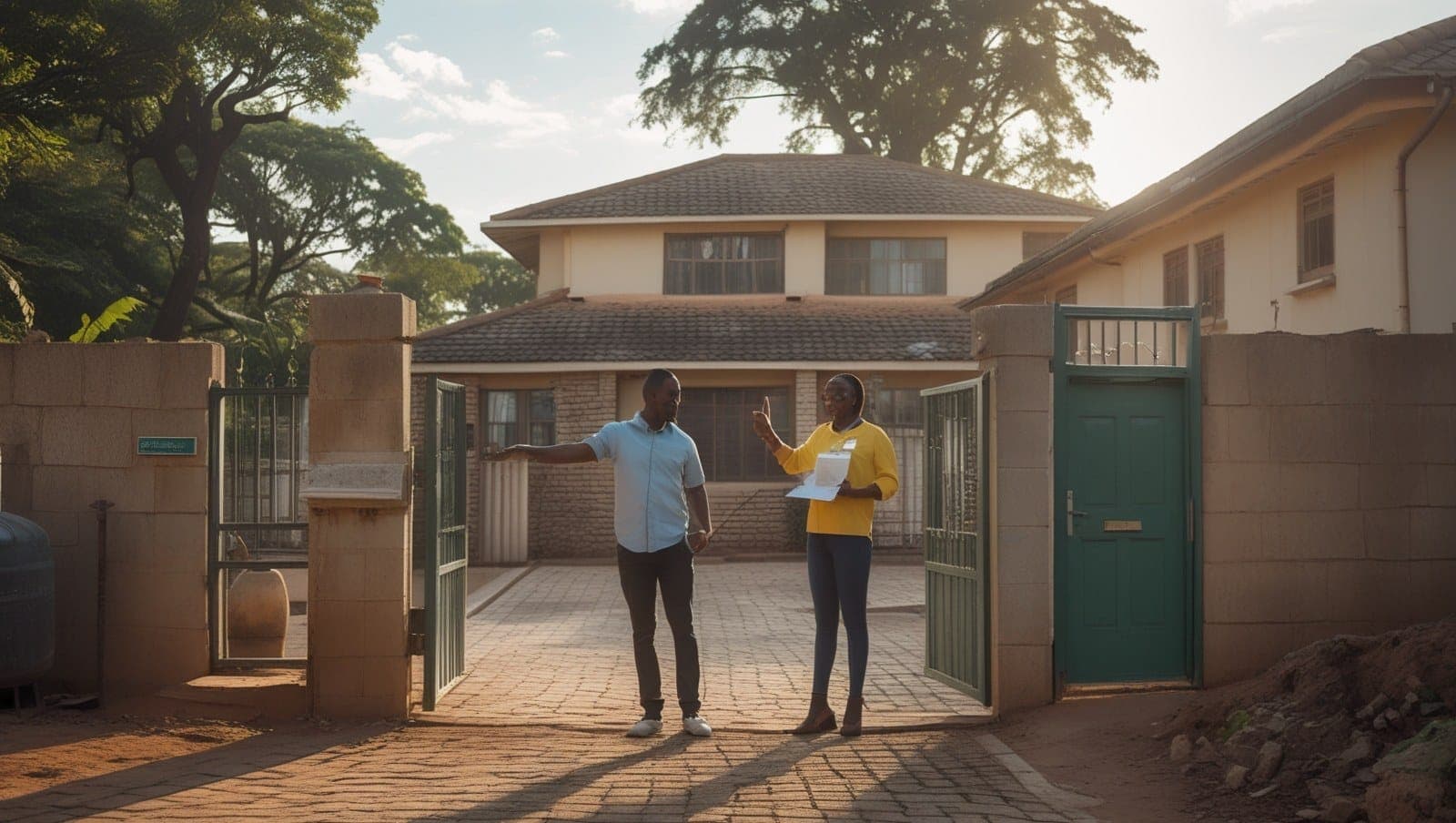
Yes, houses for rent in Nairobi under 50000 KSh exist in 2026, mainly in outer suburbs like Ruiru, Kitengela, Ngong, Syokimau, and parts of Kasarani. These are typically 1–3 bedroom units in gated courts or standalone bungalows. Expect trade-offs on commute time, finishes, and amenities. Always verify the lease, water supply, security, and service charges before paying a deposit.
Where to Find Houses for Rent in Nairobi Under 50000 in 2026
The search for houses for rent in Nairobi under 50000 leads renters to the city's expanding periphery. Areas within 20–35 km of the CBD consistently offer standalone houses, townhouses, and maisonettes at this price point. Ruiru along Thika Road, Kitengela on Namanga Road, Ngong and Kiserian on Ngong Road, Syokimau near Mombasa Road, and Mlolongo are the most active corridors. Further out, Joska, Kamulu, and Isinya are emerging as budget-friendly options for those willing to commute longer.
Typical Property Types at This Budget
- 1–2 bedroom bungalows in older gated courts or standalone plots
- 2–3 bedroom townhouses in newer developments with shared compounds
- Maisonettes with DSQ — less common but occasionally listed by owners avoiding agent fees
- Newly completed units in satellite towns where developers offer introductory rents
Finishes vary widely. Some units come with fitted wardrobes, borehole water backup, and paved driveways; others are bare-shell with shared pit latrines. Always inspect in person.
What Drives Rental Prices in Nairobi's Outer Suburbs
Proximity to a tarmac road and a reliable matatu or SGR station is the single biggest price driver. A house 500 metres off the main road can rent for 15–20% less than an identical unit on the main road. Water security — borehole, municipal connection, or both — adds KSh 3,000–8,000 to monthly rent. Gated communities with guards, CCTV, and controlled access command a premium over standalone plots with a single watchman.
Hidden Costs to Budget For
- Service charges: KSh 2,000–6,000/month for garbage, security, common-area lighting, and borehole pumping
- Water bills: Metered or flat-rate; confirm who pays
- Internet & power tokens: Prepaid meters are standard; budget KSh 2,500–4,000 combined
- Commuting: Daily matatu or fuel costs can add KSh 8,000–15,000/month
Checklist Before Signing a Lease
Protect yourself with a systematic walk-through and document review:
- Verify ownership: Ask for the landlord's ID and a copy of the title deed or leasehold certificate. Cross-check at the lands registry if unsure.
- Read the lease clause by clause: Look for rent escalation terms, notice periods, subletting restrictions, and who handles structural repairs.
- Test utilities: Run taps for pressure and clarity, flush toilets, check hot water, test all sockets and light fittings.
- Assess security: Gate locks, perimeter wall, lighting, guard presence at night, and neighbour density.
- Document condition: Take timestamped photos of every room, existing damage, meter readings, and appliance serial numbers. Attach as an annex to the lease.
- Confirm deposit terms: Legal maximum is one month's rent for unfurnished, two months for furnished. Get a written receipt and a refund timeline clause.
Negotiating Rent and Lease Terms in 2026
Landlords in high-vacancy corridors (Ruiru, Kitengela, Syokimau) often accept 5–10% below asking rent for a 12-month lease paid quarterly via bank transfer. Offering three months upfront can unlock a discount or a waiver of the first month's service charge. Request a rent-review cap — e.g., "not more than 5% at renewal" — and a mutual 60-day notice period. If the unit needs painting or minor repairs, agree in writing that the landlord completes them before move-in or deducts documented costs from the first rent.
Using PropertyFinder Kenya to Shortlist Viewings
Filter listings by price ceiling (KSh 50,000), bedroom count, and preferred corridor. Save favourites, then map them to cluster viewings geographically — e.g., do all Kitengela viewings on one Saturday. Use the Kenya property market trends page to see which corridors are softening (more bargaining power) or tightening (act fast). For buyers weighing rent vs. own, the mortgage calculator shows monthly instalments on comparable townhouses; some 3-bedroom units in Kitengela list from KSh 12.5M, putting ownership within reach of dual-income households. See examples like 4 bedroom townhouses in Ngong Vet area or 3 bedroom all-ensuite with DSQ in Kitengela Acacia.
Red Flags That Should Make You Walk Away
- Landlord refuses a written lease or insists on cash-only payments with no receipt
- Pressure to pay deposit before viewing the actual unit (not a show house)
- No borehole or water tank in an area with known municipal rationing
- Single exit gate, no fire extinguishers, or blocked emergency routes
- Neighbours complain of frequent power surges or sewage backups
- Agent cannot produce a valid Estate Agents Registration Board (EARB) licence
Moving In: First-Week Essentials
On move-in day, do a joint meter reading with the landlord/agent and sign off. Change or re-key all external locks (keep original cylinders for handover). Locate the main water shut-off, fuse box, and septic access. Introduce yourself to immediate neighbours and the night guard — they are your first line of security. Set up internet (Fibre is available in most gated courts; confirm ISP coverage). Register for prepaid power tokens on your phone. Finally, file the signed lease, deposit receipt, condition annex, and landlord contacts in a cloud folder you can access from anywhere.
Ready to start viewing? Browse current listings in Kitengela and nearby corridors on PropertyFinder Kenya, save your shortlist, and schedule viewings this weekend. For a deeper dive on neighbourhood growth projections, check our property investment guide or request a professional valuation if you're considering buying instead of renting.