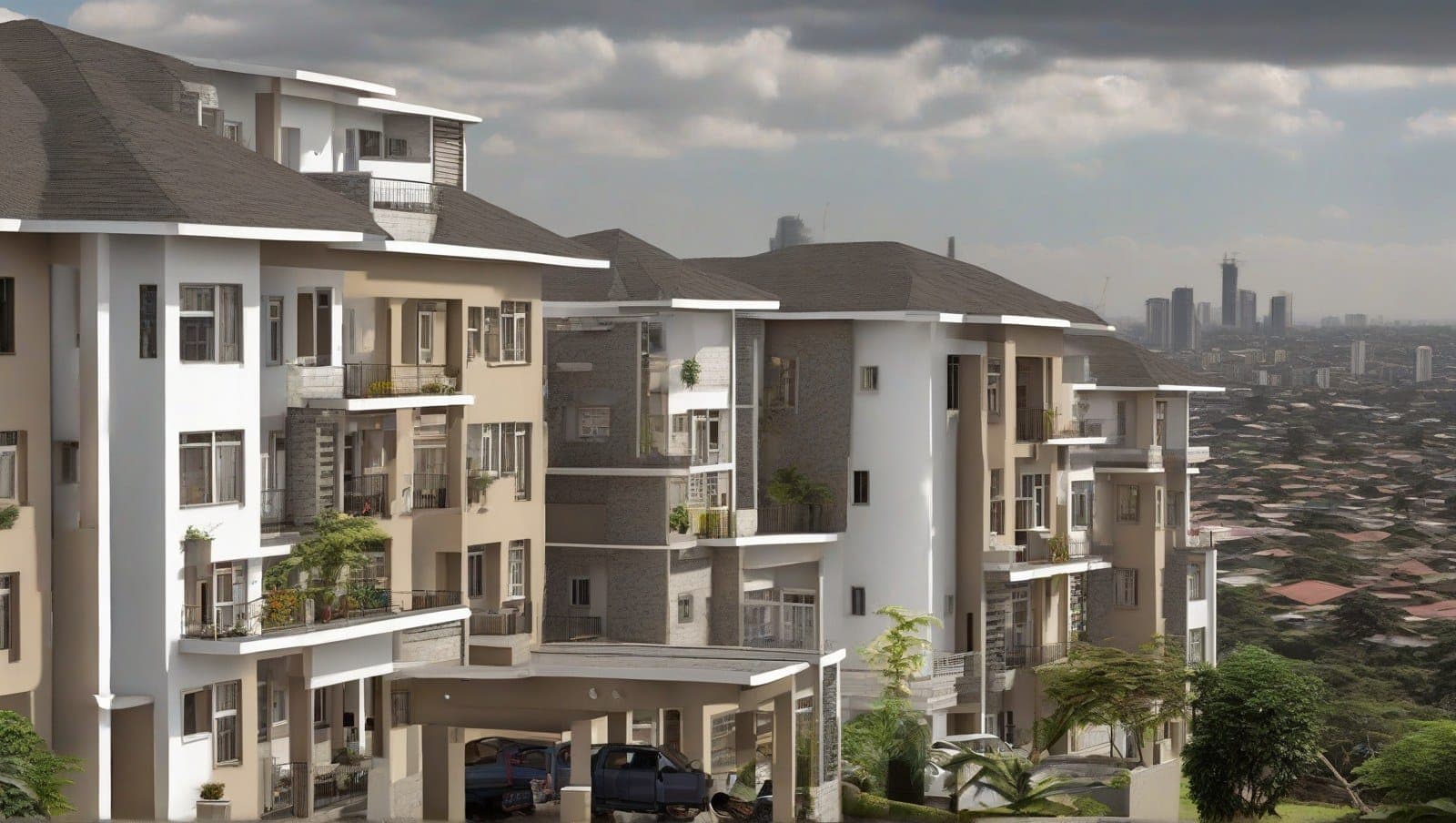
Understanding the house prices in Nairobi Kenya is crucial for anyone looking to buy, sell, or invest in the Kenyan property market. As of Q4 2026, the real estate landscape in the capital is undergoing a significant shift. Driven by a combination of easing Central Bank monetary policy rates, tighter bank lending criteria, and a noticeable softening in buyer demand—particularly in upscale suburbs—residential property values are showing signs of correction. This article provides a detailed analysis of the latest trends, focusing on how declining mortgage rates are reshaping affordability and buyer behavior across key Nairobi neighborhoods like Karen, Westlands, and Langata.
Q4 2026 Market Overview: Nairobi House Prices Adjust
The Kenyan property market has experienced a fascinating year. According to the latest Kenya National Bureau of Statistics (KNBS) Residential Property Price Index (RPPI) reported in October 2026, the broader residential index saw a 2.2% year-on-year increase to June 2026, driven primarily by standalone homes. However, as we move into the final quarter of 2026, the narrative is shifting. We are observing a distinct cooling of house prices in Nairobi Kenya, especially in high-end areas where demand has softened. This trend is largely attributed to the Central Bank of Kenya's decision to hold or ease key interest rates, which has led to more attractive, albeit still cautious, mortgage offerings.
The divergence between standalone houses and apartments highlights a market that is recalibrating to realistic buyer budgets and preferences.
Suburb-by-Suburb Analysis: Karen, Westlands, and Langata
When analyzing the price of houses in Nairobi Kenya, location is everything. The upscale suburbs of Karen, Westlands, and Langata have traditionally commanded premium prices. In Q4 2026, these areas are experiencing a unique dynamic. While the KNBS data shows that standalone houses in "Nairobi Upper" zones—which include Westlands and parts of Karen—saw their index rise to 136.0 from 130.2 in the prior year, the current quarter shows signs of plateauing or slight declines due to reduced transaction volumes.
Buyer demand in these affluent areas has cooled as high-net-worth individuals and expatriates adopt a wait-and-see approach. In contrast, middle-market areas like Langata and parts of Nairobi Middle have seen more stable or slightly easing apartment prices, with the index falling to 86.4 from 87.4. This indicates that while premium properties face downward price pressure, the affordable and middle segments are holding their ground better, offering better value for local buyers.
Mortgage Interest Rates Kenya and Buyer Affordability
One of the most critical factors influencing the how much does it cost to buy a house in Nairobi Kenya is the cost of borrowing. With mortgage interest rates Kenya showing signs of easing following central bank policy adjustments, potential homeowners are seeing a window of opportunity. Lower interest rates reduce the monthly installment burden, making long-term fixed mortgages more attractive.
However, the reality on the ground is nuanced. Despite lower headline rates, banks have tightened their lending criteria, requiring higher deposits and rigorous credit checks. This has kept some first-time buyers at bay, contributing to the reduced demand in upscale areas. For those who do qualify, the combination of slightly lower asking prices in premium suburbs and more favorable loan terms is improving overall affordability. You can use our mortgage calculator to estimate your monthly payments under the current rate environment.
The Standalone Home Boom vs. Apartment Stagnation
A remarkable divergence in the market is the continued strength of standalone homes compared to apartments. The KNBS report highlights that standalone houses lifted the residential property index by 2.2% year-on-year, with a 3.1% jump in standalone house values. In Nairobi, standalone houses in upper zones saw a significant index jump to 164.9 in "Nairobi Other" areas from 145.2.
This preference for detached homes continues to drive the market, as families prioritize space and privacy. However, the high price point of standalone homes in Karen and Westlands means that only cash buyers or those with substantial collateral can participate, which has indirectly cooled the market. For buyers looking for more affordable options, exploring townhouses or apartments in emerging areas like Kitengela might be a viable alternative. Check out this 4-Bedroom Townhouse for Sale in Kitengela for a great example of value-packed standalone-style living outside the premium Nairobi core.
Navigating the Q4 2026 Property Landscape
For prospective buyers, the current market offers both challenges and opportunities. The cooling prices in upscale suburbs like Karen and Westlands present a chance to negotiate better deals. Sellers, on the other hand, must adjust their expectations to align with the softer demand. It is a buyer's market in the premium segment, but inventory remains tight in the affordable segment.
Before making a decision, it is highly recommended to get a professional property valuation to understand the true market value of your target home. Additionally, prospective buyers should explore our property investment guide to understand long-term returns and market cycles. For those tracking the broader market, our Kenya property market trends page offers up-to-date insights and data.
Frequently Asked Questions
1. Are house prices in Nairobi Kenya actually dropping in late 2026?
Yes, there is a noticeable softening in house prices in Nairobi Kenya, particularly in upscale suburbs like Karen, Westlands, and Langata. While the year-to-June 2026 data showed overall index growth, Q4 2026 trends indicate a cooling market driven by reduced buyer demand and tighter bank lending, leading to more negotiable prices for sellers.
2. How do lower mortgage interest rates Kenya affect my ability to buy a home?
Lower mortgage rates reduce your monthly repayment amount, making home ownership more affordable in the long run. However, banks are currently applying stricter credit checks and may require larger deposits. It is essential to pre-qualify with a lender to understand exactly how much you can borrow in the current environment.
3. How much does it cost to buy a house in Nairobi Kenya in 2026?
The cost varies widely by location and property type. Standalone homes in upper Nairobi zones remain premium, but prices are softening. Apartments in middle zones offer more stability. The average cost depends on your budget, but the current market offers more negotiation room than in previous years. Use our tools to calculate specific costs.
4. Which Nairobi suburbs are best for investment in late 2026?
While upscale areas like Karen and Westlands offer long-term appreciation, they currently favor buyers due to price drops. Emerging areas and middle-market segments like Langata and Kitengela offer better rental yields and capital growth potential for investors looking to capitalize on the current market dynamics.
Conclusion
The landscape of house prices in Nairobi Kenya is evolving rapidly in Q4 2026. The combination of easing mortgage rates and shifting buyer preferences is creating a more balanced market. Whether you are looking to buy your first home in Langata, invest in Westlands, or find an affordable townhouse in Kitengela, now is the time to do your research and act strategically. Explore our listings and market resources to find your perfect property today.