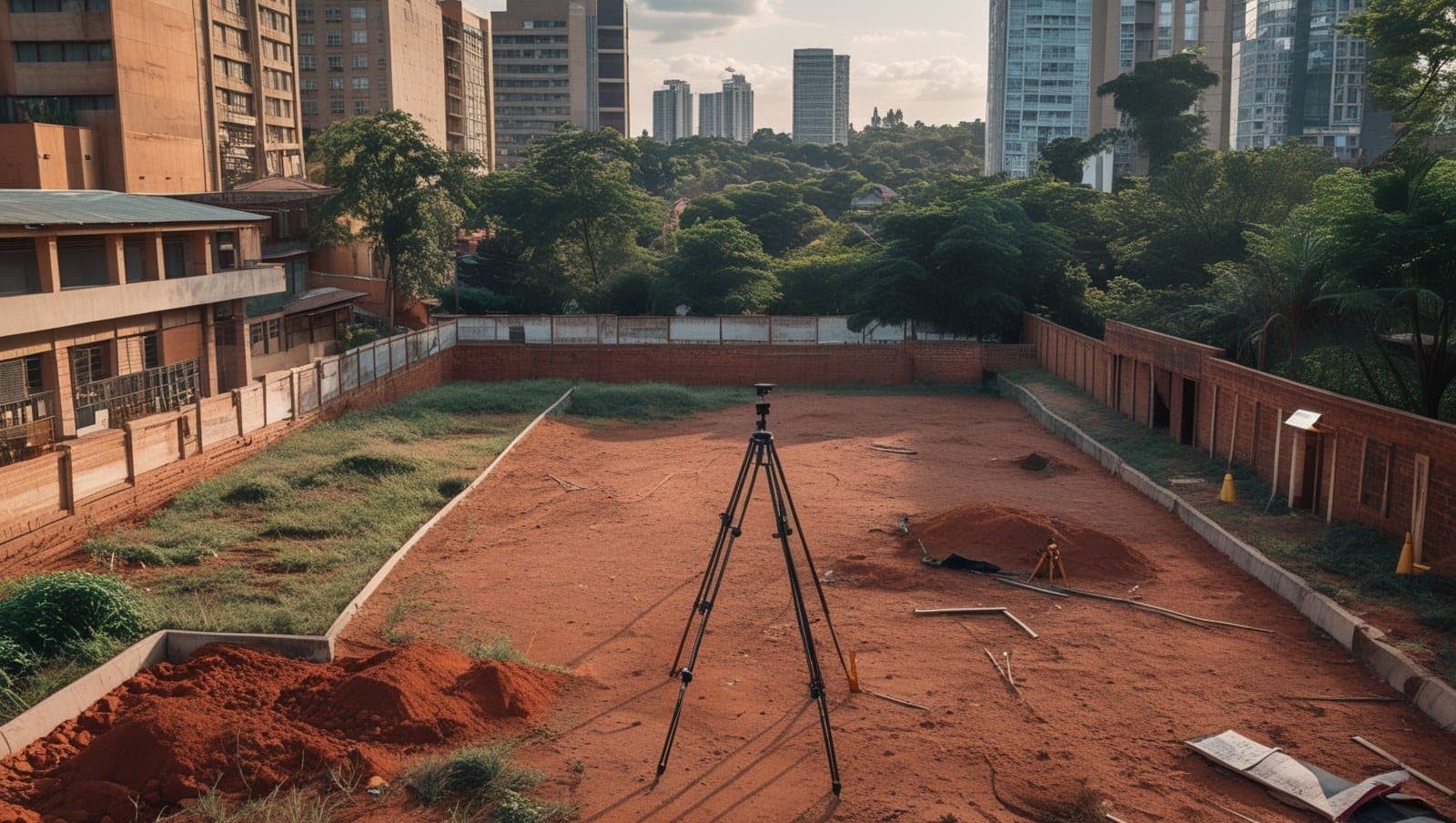
Commercial land for sale in Nairobi ranges from small plots in Kilimani to large acreages in Kitengela, with prices varying by location, zoning, and infrastructure. Buyers should verify title deeds, zoning regulations, and access to utilities before committing. PropertyFinder lists current opportunities across prime and emerging corridors.
Where to Find Commercial Land in Nairobi (2026)
Nairobi's commercial land market clusters around established business districts and fast-growing satellite towns. Central areas like Upper Hill, Westlands, and Kilimani offer high visibility and infrastructure but command premium prices. Peripheral zones such as Kitengela, Ruiru, and Athi River provide larger parcels at lower per-acre costs, ideal for logistics, warehousing, or mixed-use development. Infrastructure projects like the Nairobi Expressway and commuter rail extensions are reshaping value corridors, so proximity to transport nodes remains a key filter.
Prime Central Corridors
Kilimani and Lavington attract retail, office, and high-density residential projects. Plot sizes are typically smaller — often 0.125 to 0.5 acres — with mature roads, power, and water connections. Zoning usually permits mixed-use development, but buyers must confirm current county approvals.
Emerging Satellite Hubs
Kitengela, along Namanga Road and Balozi Road, has become a hotspot for commercial land due to its connectivity to the Southern Bypass and the Standard Gauge Railway freight terminal. Listings here range from quarter-acre plots to multi-acre parcels suitable for industrial parks or retail centres. PropertyFinder currently features several options in this corridor, including commercial land in Kitengela along Balozi Road, a 100×100 commercial plot in Kitengela, an 11-acre commercial land in Kitengela, and a 5-acre commercial land in Kitengela.
Typical Price Ranges and Value Drivers
Prices per acre vary widely: central Nairobi plots can exceed KES 100 million per acre, while Kitengela parcels may range from KES 5 million to KES 30 million per acre depending on road frontage and services. Key value drivers include:
• Title status (freehold vs leasehold remaining term)
• Zoning classification (commercial, industrial, mixed-use)
• Physical access and road class
• Availability of electricity, water, and sewerage
• Proximity to major transport links and population centres
Always request a professional property valuation before negotiating.
Due Diligence Checklist for Buyers
Before committing, complete these essential checks:
- Conduct an official search at the Ministry of Lands to confirm ownership, encumbrances, and caveats.
- Verify the zoning certificate and any county development approvals.
- Engage a licensed surveyor to beacon the boundaries and confirm acreage.
- Check for wayleaves, road reserves, or riparian constraints.
- Assess infrastructure: distance to transformer, water main, and sewer line.
- Review the lease terms if leasehold: remaining years, ground rent, and renewal conditions.
- Confirm the seller's identity and authority to sell (company resolution, power of attorney, etc.).
Financing Options for Commercial Land
Most Kenyan banks offer commercial land loans up to 60-70% of the forced-sale value, with tenors of 5-10 years. Interest rates are typically pegged to the Central Bank Rate plus a margin. Buyers should compare offers and use a mortgage calculator to estimate monthly repayments. Alternative structures include joint ventures with developers, seller financing, or equity partnerships. Ensure the land can be charged as security — freehold titles are preferred by lenders.
Current Listings on PropertyFinder
Our platform updates daily with verified commercial land listings across Nairobi and its environs. Beyond the Kitengela opportunities mentioned above, you can find a prime 0.25-acre plot in Kilimani on Kindaruma Road suited for boutique office or retail development. Use filters for price, acreage, and location to narrow your search, and save favourite listings to track price changes.
Market Trends and Investment Outlook
Nairobi's commercial land demand remains strong, driven by urbanisation, devolution-driven county growth, and infrastructure upgrades. The Kenya property market trends indicate sustained appetite for well-located land with clear titles. Investors should monitor county spatial plans and upcoming infrastructure projects, as these can rapidly shift value. For a deeper strategy, consult our property investment guide.
Frequently Asked Questions
What is the minimum plot size for commercial development in Nairobi?
There is no universal minimum; it depends on county zoning regulations and the intended use. Many commercial zones allow plots as small as 0.125 acres (50×100 feet), but always confirm with the relevant county planning department.
Can a foreigner buy commercial land in Nairobi?
Foreigners can acquire leasehold interests (typically 99-year leases) but cannot own freehold land. Companies with foreign shareholders can hold leasehold titles. Legal advice is essential to structure the acquisition correctly.
How long does the commercial land purchase process take in Kenya?
Assuming clear title and no disputes, the process takes 60-90 days from offer acceptance to registration. Delays often arise from search queues, consent applications, or financing approvals.
What taxes apply when buying commercial land?
Buyers pay stamp duty (4% of the consideration for urban land), legal fees, valuation fees, and registration costs. Sellers may be liable for capital gains tax (15% of the net gain). Budget for these additional costs.
Ready to explore commercial land opportunities? Browse our current listings or contact a PropertyFinder agent for personalised assistance.